

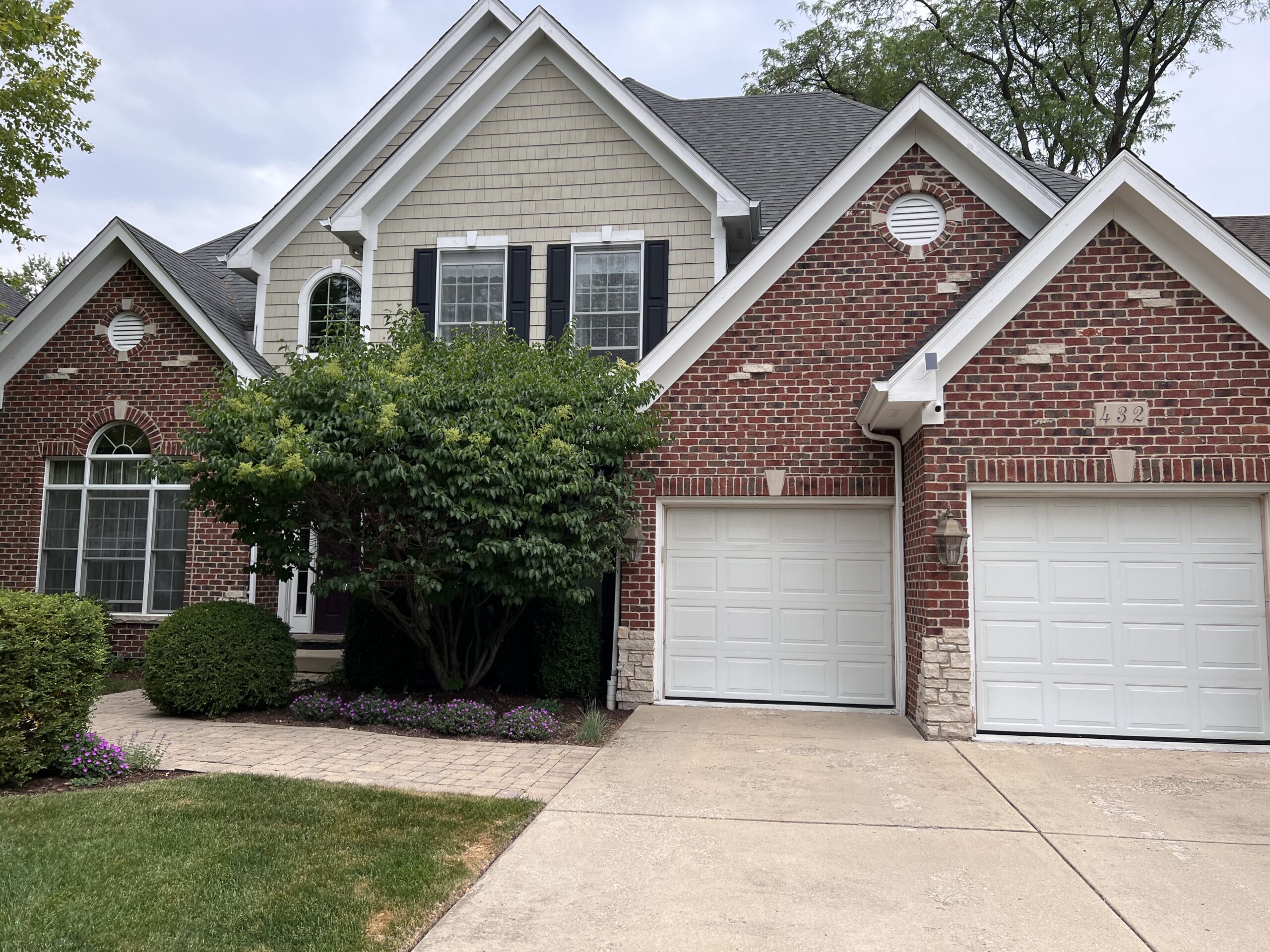
Should you waive the home inspection to win a bidding war in the western suburbs?
No — and you don’t have to choose between losing the offer and losing your protection. In 2026’s tight Clarendon Hills, Hinsdale, and Western Springs market, a full inspection waiver is rarely necessary. A safer middle ground — an information-only inspection, where you still bring an inspector but agree not to renegotiate over cosmetic issues — keeps your offer competitive while protecting you from the kind of structural, sewer, or radon surprises that can cost tens of thousands of dollars after closing.
By Kelly Kirchheimer | August 7, 2026
Illinois currently has some of the tightest housing inventory in the country, and nowhere is that more obvious than in the western suburbs right now. Clarendon Hills homes are averaging just 17 days on market. Downers Grove’s median days on market has dropped nearly 40% since last spring. Western Springs crossed a $1,000,000 median sale price for the first time this year, with only a handful of homes active at any given moment.
When inventory gets this tight, bidding wars follow. And when bidding wars follow, buyers start looking for every lever they can pull to win, including waiving the home inspection entirely.
I get asked about this constantly right now, and I understand the instinct. But before you waive anything, it’s worth understanding exactly what you’re trading away.
Why waiving inspection is back on the table
A few years ago, waiving inspection contingencies was common practice in the hottest markets, then it mostly went away as rates rose and inventory loosened slightly. Earlier this year, I wrote about inspections making a comeback as more buyers regained the confidence to ask for one. Now, just months later, the pendulum is swinging again and Chicago-area agents are reporting buyers waiving inspections, covering appraisal gaps, and offering non-refundable earnest money to beat out competing offers, and the western suburbs are seeing the same pressure.
Here’s the math driving it: with 1.2 months of supply in Clarendon Hills and a sale-to-list price ratio north of 101%, a meaningful share of homes are still selling above asking price. If you’re the buyer, every point of friction in your offer including a lengthy inspection contingency is a reason a seller might pick someone else.
The pattern isn’t limited to Clarendon Hills. Burr Ridge homes are averaging around 28 days on market, and Hinsdale’s trailing 12-month detached median has climbed to roughly $1,550,000 — both signs of the same underlying dynamic: more buyers than homes, and less patience for anything that slows a deal down. Across the western suburbs broadly, inventory is falling and homes are selling at or above list price in nearly every community, not just the highest-profile ones.
So the pressure to waive is real. The risk is real too, and it’s worth knowing exactly what you’d be trading away before your offer deadline arrives.
What you’re actually giving up
A full inspection waiver means you’re buying the home exactly as it sits, with no recourse if you find something wrong after closing. In this part of DuPage and Cook County, that risk isn’t abstract. Two things come up constantly in this market specifically:
Sewer scopes. A sewer scope isn’t part of a standard Illinois home inspection — it’s a separate, camera-based add-on. That matters here because a lot of the housing stock in Clarendon Hills, Hinsdale, and Western Springs predates 1960, and older clay tile sewer lines can crack or collapse as tree roots grow into them. A full sewer line replacement can run well over $10,000 or more.
Radon. Illinois state data shows close to half of homes tested come back above the EPA’s action level. Radon mitigation isn’t terribly expensive but it’s not something you want to discover after you’ve already waived your rights.. it is best to understand your full picture and your agent should support you and be able to put together a winning deal that allows that.
A standard inspection also covers plenty of ground beyond sewer and radon — the roof, furnace, water heater, electrical panel, foundation, and grading around the house, among other things. In homes built in the 1920s through the 1950s, which make up a meaningful share of the housing stock especially under $1M Hinsdale and Clarendon Hills specifically, knob-and-tube wiring remnants, aging boilers, and settling foundations turn up often enough that a home inspector’s trained eye is worth having, even if you never use the report to renegotiate.
I’ve seen what happens when this goes wrong. A buyer in a nearby western suburb won a bidding war last spring, paid roughly 12% over asking, and skipped the inspection to make the offer as clean as possible. A few months later, a nearly identical home with more square footage sold for $50,000 to $70,000 less. That’s not a story about a bad house — it’s a story about what happens when the pressure to win crowds out the process of actually knowing what you’re buying.
A smarter middle ground: the information-only inspection
You don’t have to choose between a fully protected offer and a competitive one. Many Illinois purchase contracts now build in a tiered approach to inspection contingencies, and the option most buyers overlook is the information-only inspection.
Here’s how it works: you still hire an inspector, including a sewer scope and radon test if the property warrants it. You still get the full report. But you agree upfront not to use the findings to ask for repairs or a price reduction, except in the case of a genuinely major, previously undisclosed issue.
This does two things at once:
It keeps your offer looking clean to the seller, who doesn’t have to worry about a repair negotiation derailing the deal.
It still tells you, before closing, whether you’re buying a home with a manageable list of cosmetic items or one with a $30,000 sewer line replacement waiting for you.
Other levers worth considering before you go all the way to a full waiver: a shortened inspection period instead of no inspection period at all, or pairing your inspection strategy with a tighter Illinois attorney review timeline to signal seriousness without giving up your protections entirely. Illinois buyers and sellers get five business days after a contract is signed for attorney review, and shortening that window — with your attorney’s sign-off — is another way to make an offer look more serious without touching your inspection rights at all.
A quick way to think through it
Before you decide, walk through a few questions with your agent:
How old is the home, and what’s the sewer line likely made of? Homes built before 1960 are the ones where a sewer scope earns its cost many times over.
How many other offers are you up against? A single competing offer calls for a different strategy than five.
What’s your true walk-away price? If a $20,000 repair would actually change whether you want the house, you need the information before you close, not after.
Does the seller’s disclosure report raise any flags already? A vague or incomplete Illinois Residential Real Property Disclosure Report is a reason to lean toward more inspection, not less.
The right call depends on the specific house. A newer build in Western Springs with a known sewer line and no radon history is a very different risk profile than a 1930s Colonial in downtown Hinsdale that’s never been scoped. That’s exactly the kind of read I walk every buyer through before we write an offer — not after.
What this means for your next offer
If you’re actively competing for homes in Clarendon Hills, Hinsdale, Western Springs, or anywhere along the BNSF Metra corridor right now, assume you’ll be up against at least one other offer. Go in with a strategy already decided — full inspection, information-only, or, in rare cases, a full waiver — rather than deciding under pressure with an offer deadline an hour away.
This is closely related to how well your overall offer is structured. If you’re also weighing whether to add an escalation clause into the mix, it’s worth understanding how that piece works before you’re staring down a Sunday-night offer deadline. And if you want a fuller picture of what’s driving the current pace of sales, the latest Clarendon Hills market update breaks down the inventory numbers behind all of this.
Sellers aren’t off the hook here either. If you’re the one receiving an inspection-waived or information-only offer, it’s worth reading what sellers should know before accepting an offer with no repair requests — the risk calculation runs in both directions.
Ready to talk through your specific offer strategy before you’re in a bidding situation? Connect with Kelly Kirchheimer for your Western Suburbs real estate needs in Chicagoland: https://kellykhomes.com/contact/
Frequently Asked Questions
What is an information-only home inspection?
It’s an inspection where you still hire an inspector and receive a full report, but you agree in advance not to request repairs or a price reduction based on the findings, except for major undisclosed defects. It gives you information without making your offer less competitive.
Is a sewer scope included in a standard Illinois home inspection?
No. Illinois’ standards of practice for licensed home inspectors don’t include the sewer lateral, so a sewer scope has to be requested and scheduled separately. This matters most in older homes with clay tile sewer lines, which are common throughout the western suburbs.
What happens if I waive inspection and find a major problem after closing?
In most cases, you have no recourse against the seller once you’ve closed on a home with a waived inspection contingency, unless the seller knowingly concealed a defect they were required to disclose under the Illinois Residential Real Property Disclosure Report. That’s a high bar to prove, which is why going in with your eyes open matters so much.
Should I still get a radon test if I waive the general inspection?
Yes, if at all possible. Radon testing is inexpensive relative to mitigation costs, and close to half of homes tested in Illinois come back above the EPA’s action level. A radon-only test can often be arranged even when a full inspection contingency is waived.
How many homes are selling with waived inspections in the western suburbs right now?
There’s no official public count, but agents across the Chicago area — including in the western suburbs — are reporting a meaningful uptick in waived or information-only inspections as part of competitive offers in 2026, driven directly by low inventory and fast-moving listings.
About Kelly Kirchheimer
Kelly is a Compass real estate agent with over a decade of experience serving Clarendon Hills, Hinsdale, Western Springs, and the greater western Chicago suburbs. Before real estate, she spent years in enterprise technology sales and holds an MBA in Entrepreneurship — a background that shapes how she approaches pricing strategy, negotiation, and client advocacy. Kelly specializes in helping families navigate moves in and out of the western suburbs, with deep knowledge of the area’s top school districts and Metra commuter access.